

Blog

Blog

How Google Ads Can Generate More Leads

In today’s competitive digital marketplace, businesses need more than just a website to attract potential customers. While Search Engine Optimization (SEO) delivers long-term results, it often takes time to build momentum. Google Ads offers a faster way to reach people actively searching for products and services like yours. Google Ads is one of the most effective digital marketing platforms because it places your business directly in front of potential customers at the exact moment they are looking for solutions. Whether you’re a local service provider, eCommerce store, consultant, or B2B company, Google Ads can help generate high-quality leads and accelerate business growth. Let’s explore how Google Ads works and why it remains one of the most powerful lead-generation tools available. What Is Google Ads? Google Ads is Google’s online advertising platform that allows businesses to display advertisements on Google Search, YouTube, Google Maps, and millions of partner websites. Unlike traditional advertising, Google Ads targets users based on their search intent. This means your ads appear when people are actively searching for services or products related to your business. For example, if someone searches for: Your business can appear at the top of Google’s search results through paid advertising. 1. Reach Customers at the Right Time One of the biggest advantages of Google Ads is intent-based targeting. Instead of interrupting users with advertisements, Google Ads connects you with people who are already searching for solutions. Why This Matters: When someone searches for a specific service, they often have immediate interest or purchasing intent, making them more likely to become a customer. 2. Generate Leads Quickly SEO can take months to produce significant results, but Google Ads can start generating leads almost immediately after launching a campaign. Immediate Benefits: Businesses looking for quick growth often use Google Ads to drive consistent leads while building long-term organic visibility through SEO. 3. Target Specific Audiences Google Ads allows businesses to target highly specific audiences based on various factors. Targeting Options Include: This precision ensures your advertising budget is spent reaching people most likely to become customers. For local businesses, location targeting is especially valuable because it helps attract nearby customers actively searching for services. 4. Increase Website Traffic A professionally managed Google Ads campaign can significantly increase qualified website traffic. Unlike general traffic from social media, Google Ads traffic often consists of users actively seeking information, products, or services. Traffic Benefits: The quality of traffic matters more than quantity, and Google Ads excels at attracting highly relevant visitors. 5. Drive Phone Calls and Direct Inquiries Many businesses rely heavily on phone calls for lead generation. Google Ads offers specialized ad formats that encourage users to contact your business directly. Lead Generation Features: For service-based businesses such as consultants, lawyers, real estate agents, and healthcare providers, phone call campaigns can be extremely effective. 6. Control Your Advertising Budget One reason businesses of all sizes use Google Ads is the flexibility it provides. You can start with a modest budget and scale campaigns as results improve. Budget Advantages: Unlike traditional advertising channels, you only pay when someone interacts with your ad. 7. Improve Lead Quality with Smart Keywords Keyword selection plays a critical role in campaign success. By targeting high-intent keywords, businesses can attract users who are closer to making a purchase decision. Examples of High-Intent Keywords: These searches indicate strong buying intent, making them valuable opportunities for lead generation. 8. Retarget Interested Visitors Not every visitor converts during their first visit. Google Ads allows businesses to re-engage users through remarketing campaigns. Remarketing Benefits: Remarketing often delivers some of the highest conversion rates because users are already familiar with your business. 9. Measure Everything Accurately One of the biggest strengths of Google Ads is detailed performance tracking. Businesses can monitor exactly how their advertising budget is performing. Metrics You Can Track: This data allows businesses to continuously optimize campaigns and improve results over time. 10. Scale Business Growth As campaigns become profitable, businesses can increase budgets, target additional locations, and expand services. Google Ads provides a scalable marketing system that grows alongside your business. Growth Opportunities: A well-managed Google Ads campaign can become a consistent source of high-quality leads and long-term growth. Conclusion Google Ads remains one of the most effective lead-generation tools available for businesses of all sizes. By targeting customers at the exact moment they are searching for solutions, businesses can attract qualified leads, increase website traffic, generate phone calls, and drive more sales. The key to success lies in choosing the right keywords, creating compelling ads, optimizing landing pages, and continuously monitoring campaign performance. When managed strategically, Google Ads can deliver measurable results, predictable lead generation, and sustainable business growth. Remember: The goal isn’t simply getting more clicks—it’s attracting the right people who are ready to become customers.

Blog

Why Every Business Needs a Professional Website

In today’s digital-first world, a professional website is no longer a luxury—it’s a necessity. Whether you’re a small local business, startup, consultant, or established company, your website often serves as the first impression potential customers have of your brand. Many businesses still rely solely on social media platforms for their online presence. While social media is important, it cannot replace the credibility, control, and business opportunities that a professional website provides. Let’s explore why every business should invest in a professional website and how it can contribute to long-term growth and success. 1. Builds Credibility and Trust When potential customers search for your business online, one of the first things they expect to find is a website. A professionally designed website instantly establishes trust and demonstrates that your business is legitimate and reliable. A Professional Website Helps You: Customers are more likely to choose a business that looks professional online compared to one with little or no digital presence. 2. Available to Customers 24/7 Unlike a physical store or office, your website works around the clock. Potential customers can learn about your products and services, submit inquiries, make purchases, or book appointments anytime—even when you’re not available. Benefits of 24/7 Availability: Your website essentially becomes your most dedicated employee, working every day without interruption. 3. Improves Online Visibility Most buying journeys begin with an online search. If your business cannot be found online, you’re likely missing valuable opportunities. A professional website optimized for search engines helps your business appear when potential customers search for related products or services. Visibility Advantages: Combined with SEO strategies, a website becomes a powerful tool for attracting qualified visitors who are actively looking for solutions. 4. Strengthens Brand Identity Your website allows you to control how your brand is presented online. Unlike social media platforms that limit customization, a website gives you complete freedom over design, messaging, colors, and user experience. Your Website Can Showcase: A consistent brand experience helps customers remember and trust your business. 5. Generates More Leads and Sales A professionally designed website is not just an information source—it is a sales and marketing tool. By strategically placing contact forms, call-to-action buttons, booking systems, and product pages, you can convert visitors into customers. Effective Conversion Features: A well-optimized website guides users toward taking action and helps increase conversions. 6. Provides a Competitive Advantage Many businesses still operate with outdated websites or no website at all. Having a modern, fast, and user-friendly website can immediately differentiate your business from competitors. Competitive Benefits: Customers often compare multiple businesses before making a decision. A professional website can be the factor that helps you win their trust. 7. Supports Digital Marketing Efforts Every digital marketing strategy performs better when supported by a professional website. Whether you’re running SEO campaigns, social media advertising, email marketing, or Google Ads, your website acts as the central destination for visitors. Marketing Channels That Benefit: Without a website, many marketing efforts become less effective and harder to track. 8. Enhances Customer Experience Today’s customers expect fast, convenient access to information. A professional website provides a smooth user experience that helps visitors quickly find what they need. Important User Experience Features: A positive user experience encourages visitors to stay longer and increases the likelihood of conversions. 9. Showcases Products and Services Effectively Your website serves as a digital showroom where potential customers can explore your offerings in detail. You can include: Providing comprehensive information helps customers make informed purchasing decisions. 10. Supports Long-Term Business Growth A professional website is an investment that continues delivering value over time. As your business grows, your website can evolve with it by adding: Unlike many short-term marketing tactics, a website remains a long-term digital asset that contributes to sustainable business growth. Conclusion In today’s competitive marketplace, a professional website is one of the most valuable investments a business can make. It builds credibility, improves visibility, generates leads, strengthens branding, and supports every aspect of digital marketing. Whether you’re a startup looking to establish your presence or an established company seeking growth, a well-designed website provides the foundation for long-term success. Remember: Customers may discover your business through social media, advertisements, or referrals—but your website is often where they decide whether to trust you and take the next step.

Blog

Best SEO Strategies for Small Businesses

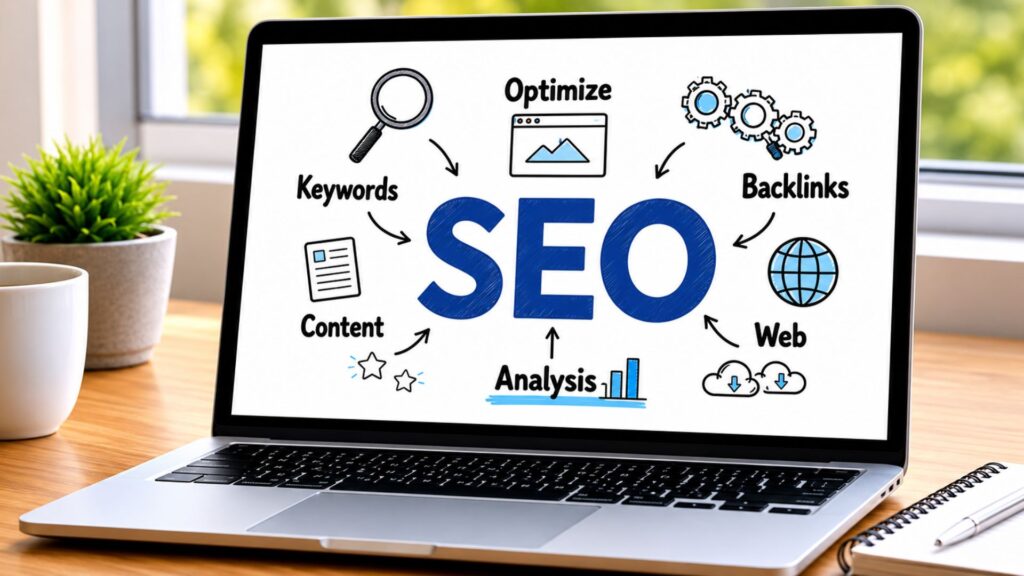
In today’s digital world, having a website is no longer enough. Small businesses must ensure their websites appear in front of potential customers when they search online. Search Engine Optimization (SEO) is one of the most cost-effective marketing strategies that helps businesses increase visibility, attract qualified traffic, and generate more leads without relying solely on paid advertising. Whether you own a local store, consultancy firm, service business, or eCommerce website, implementing the right SEO strategies can significantly improve your online presence and revenue. Here are the most effective SEO strategies small businesses should focus on in 2026. 1. Focus on Local SEO For most small businesses, local customers are the primary source of revenue. Local SEO helps your business appear in location-based searches such as “digital marketing agency near me” or “best bakery in Mumbai.” Key Actions: Local SEO increases visibility in Google Maps and local search results, helping nearby customers discover your business more easily. 2. Conduct Proper Keyword Research Keyword research forms the foundation of every successful SEO campaign. Understanding what your target audience is searching for allows you to create content that directly addresses their needs. Tips for Effective Keyword Research: For example, instead of targeting a broad keyword like “SEO,” a small business may rank faster for “SEO services for small businesses” or “affordable SEO consultant.” 3. Create High-Quality Content Regularly Content remains one of the strongest ranking factors. Search engines prioritize websites that consistently provide valuable and relevant information. Content Ideas: The goal is to solve problems and answer questions your audience is already searching for. High-quality content helps establish authority, improves engagement, and increases organic traffic over time. 4. Optimize On-Page SEO Elements Even excellent content may struggle to rank if your website isn’t properly optimized. Important On-Page SEO Factors: A well-optimized page makes it easier for search engines to understand your content while improving the user experience. 5. Improve Website Speed and Performance Website speed directly impacts both rankings and conversions. Users expect websites to load quickly, and slow websites often experience higher bounce rates. Ways to Improve Speed: A faster website creates a better experience for visitors and sends positive ranking signals to search engines. 6. Ensure Mobile-Friendly Design With the majority of searches now happening on mobile devices, Google primarily evaluates websites based on their mobile versions. Mobile SEO Checklist: A mobile-friendly website not only improves rankings but also increases customer engagement and conversions. 7. Build Quality Backlinks Backlinks remain one of Google’s most influential ranking factors. When reputable websites link to your content, search engines view your website as trustworthy and authoritative. Effective Link-Building Strategies: Focus on quality rather than quantity. A few authoritative backlinks can be more valuable than hundreds of low-quality links. 8. Optimize for Voice Search Voice search continues to grow through smartphones and smart assistants. People often use conversational queries when speaking compared to typing. Voice Search Tips: Voice search optimization can help small businesses capture additional traffic opportunities that competitors may overlook. 9. Monitor SEO Performance SEO is not a one-time task. Regular monitoring helps identify what’s working and where improvements are needed. Important Metrics to Track: Reviewing performance data enables businesses to make informed decisions and continuously improve their SEO strategy. 10. Prioritize User Experience (UX) Google increasingly rewards websites that provide excellent user experiences. A website that is easy to navigate and delivers value tends to perform better in search results. Improve UX By: Happy users stay longer, engage more, and are more likely to convert into customers. Final Thoughts SEO remains one of the most powerful growth strategies available to small businesses. By focusing on local SEO, keyword research, content creation, technical optimization, website speed, mobile usability, backlink building, and user experience, businesses can steadily increase their online visibility and attract qualified customers. The best approach is to start with the fundamentals and consistently improve over time. SEO is a long-term investment, but businesses that commit to it often enjoy sustainable traffic, stronger brand authority, and higher conversion rates without depending entirely on paid advertising. Remember: The goal of SEO is not just higher rankings—it’s connecting your business with the right customers at the right time.

Scroll to Top